DE
DE  EN
EN FR
FR

Tiana
+86-13143789995
10 % Punkterückerstattung bei benutzerdefinierten Druckaufträgen. Jetzt aktivieren
Brauchen Sie Hilfe? Sprechen Sie noch heute mit einem Druckexperten. Händlersuche
Der Moment, in dem ein Kunde zum ersten Mal ein Paket öffnet, ist eine der wichtigsten Interaktionen mit der Marke im gesamten Kaufprozess. Dennoch wird dieser Touchpoint in modernen Einzelhandelsstrategien nach wie vor vernachlässigt. Im Jahr 2026, wenn der E-Commerce einen immer größeren Anteil der Konsumausgaben für sich gewinnt und Unboxing-Videos in sozialen Medien plattformübergreifend Milliarden von Aufrufen erzielen, wird sich dies ändern. Auspackerlebnis Verpackung Das Unboxing-Erlebnis hat sich von einem Randaspekt zu einer zentralen Säule der Markenstrategie entwickelt, die Kundenzufriedenheit, Social-Media-Reichweite, Wiederkaufwahrscheinlichkeit und Mundpropaganda direkt beeinflusst. Es umfasst alle Sinneswahrnehmungen – vom Versandkarton über die Verkaufsverpackung, die Polsterung, die Produktverpackung und die Informationsbeilagen bis hin zur finalen Präsentation des Produkts selbst. Diese choreografierte Abfolge von Entdeckungen weckt Vorfreude, vermittelt Markenwerte und erzeugt eine emotionale Resonanz, die weit über den reinen Zweck des Warentransports hinausgeht. Marken, die diesen Moment beherrschen, verwandeln das Öffnen von Verpackungen in mitreißende Events, die eine organische Marketingreichweite generieren, die Millionen von Dollar an bezahlten Werbeeinblendungen entspricht. Gleichzeitig bauen sie tiefere emotionale Bindungen zu ihren Kunden auf, die zu langfristiger Loyalität und der Bereitschaft zu höheren Preisen führen. Dieser Leitfaden untersucht die gesamte Architektur des Premium-Unboxing-Erlebnisses und behandelt Konstruktion, Materialauswahl, visuelles Storytelling, sensorische Integration und Nachhaltigkeitsaspekte, die erfolgreiche Verpackungsprogramme für zukunftsorientierte Marken ausmachen.
Bauingenieurwesen: Die Gestaltung der physischen Choreografie der Entdeckung
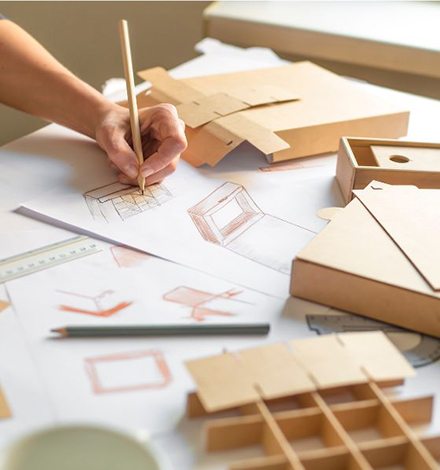
Die physische Architektur von Premium-Verpackungsdesign Die Verpackung prägt das Auspackerlebnis maßgeblich, indem sie Abfolge, Tempo und emotionale Entwicklung der Kundenreise vom ersten Kontakt mit der Verpackung bis zur Enthüllung des Produkts steuert. Magnetverschlussboxen erzeugen beim Öffnen des Deckels vom Boden ein unmittelbares haptisches Erlebnis der Zufriedenheit. Das charakteristische Klicken und der spürbare Widerstand signalisieren Premiumqualität, noch bevor der Kunde den Inhalt sieht. Schubladenboxen erfordern eine bewusste Ziehbewegung, die die Vorfreude allmählich steigert, während die innere Schale aus der äußeren Hülle hervortritt. So entsteht ein Enthüllungserlebnis, das eher an das Auspacken eines Geschenks als an das Öffnen einer Verpackung erinnert. Abreißbänder bieten einen interaktiven Öffnungsmechanismus, der die aktive Teilnahme des Kunden erfordert und den passiven Akt des Öffnens in ein ansprechendes Ritual verwandelt, das den wahrgenommenen Wert durch den investierten Aufwand erhöht. Mehrschichtige Fächersysteme ordnen verschiedene Produktkomponenten oder Zubehörteile in aufeinanderfolgenden Entdeckungszonen an. Jede entfernte Schicht enthüllt neue Informationen oder ergänzende Artikel, verlängert so die Auspackdauer und sorgt für mehrere Zufriedenheitsmomente. Inneneinsätze und Trennwände dienen dem doppelten Zweck des Produktschutzes und der visuellen Organisation. Sie präsentieren die Artikel in präzise positionierten Halterungen, die Sorgfalt und Liebe zum Detail vermitteln. Kundenspezifische Verpackungslösungen Die Verwendung von maßgefertigten Zellstoffschalen, EVA-Schaumstoffeinlagen oder präzisionsgeschnittenen Kartonstrukturen gewährleistet, dass die Produkte während des Transports fixiert bleiben und gleichzeitig architektonisch ansprechend präsentiert werden – ähnlich wie Museumsexponate und nicht wie achtlos verpackte Waren. Die in der Entwicklungsphase getroffenen strukturellen Designentscheidungen bilden die physische Grundlage, auf der alle visuellen und sensorischen Markenelemente anschließend aufgebracht werden. Daher ist die frühzeitige Zusammenarbeit zwischen Verpackungsingenieuren und Markendesignern unerlässlich, um ein stimmiges Unboxing-Erlebnis zu schaffen, das sowohl in puncto Schutz als auch Erlebnis perfekt funktioniert.
Visuelles Storytelling durch Grafik, Typografie und Markenintegration
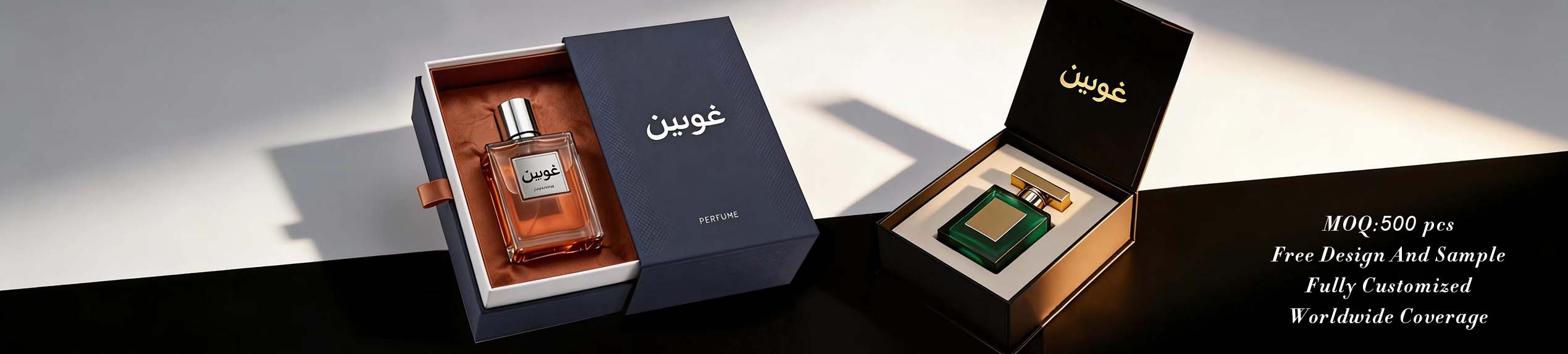
Visuelle Elemente, die während des gesamten Auspackvorgangs eingesetzt werden, fungieren als stille Markenbotschafter, die Unternehmenswerte, Produktpositionierung und Persönlichkeitsmerkmale vermitteln, ohne dass verbale Erklärungen oder aktive Kundeninteraktion erforderlich sind. Die Außengrafik der Verpackung prägt den ersten Markeneindruck, noch bevor die Verpackung geöffnet wird. Farbpaletten, Typografie und grafische Motive signalisieren auf einen Blick Produktkategorie, Qualitätsstufe und Markenpersönlichkeit. Die Innenflächen – bei traditionellen Verpackungen oft unsichtbar – bieten ungenutztes Potenzial für Storytelling, das Premiummarken zunehmend nutzen, um ihre Markenbotschaft in Bereiche zu erweitern, die Kunden nur beim Auspacken wahrnehmen. Bedruckte Innenseiten des Deckels mit inspirierenden Zitaten, der Entstehungsgeschichte der Marke oder Pflegehinweisen verwandeln den ansonsten leeren Karton in sorgfältig ausgewählte Kommunikationskanäle, die die emotionale Bindung vertiefen. Individuell bedrucktes Seidenpapier mit Markenmustern, Logos oder personalisierten Botschaften schafft einen feierlichen Moment des Auspackens, wenn Kunden die transparenten Schichten abziehen und das Produkt darunter entdecken. So wird der einfache Akt des Produktzugangs zu einem rituellen Erlebnis. Die konsequente Anwendung einer einheitlichen Typografiehierarchie auf allen Verpackungsflächen – von der Außenetikettierung über die beiliegenden Anleitungskarten bis hin zu den Produktgarantieunterlagen – schafft visuelle Kohärenz, die die Markenbekanntheit und Professionalität stärkt. Farbpsychologische Erkenntnisse fließen in die Farbauswahl ein, die spezifische, zur Markenpositionierung passende emotionale Reaktionen hervorruft: Kühle Blautöne vermitteln Vertrauen und Zuverlässigkeit, warme Rottöne erzeugen Spannung und Dringlichkeit, Erdtöne strahlen natürliche Authentizität aus und metallische Akzente signalisieren Luxus und Exklusivität. Luxuriöse Geschenkverpackung Durch die kohärente Integration visueller Erzählelemente auf allen Oberflächen und Ebenen entsteht ein Unboxing-Erlebnis, das als vollständige Markenerzählung durch Farbe, Textur, Typografie und räumliche Anordnung und nicht nur durch Worte vermittelt wird. So wird eine immersive Markenbegegnung geschaffen, die von den Kunden eher emotional als funktional beschrieben wird.
Sensorische Integration: Die Einbeziehung mehrerer Sinne jenseits des Visuellen.
Forschungen im Bereich der Konsumentenneurowissenschaften belegen, dass multisensorische Markenerlebnisse eine deutlich stärkere Gedächtnisbildung und emotionale Assoziation hervorrufen als rein visuelle Reize, wodurch die sensorische Integration zu einem entscheidenden Faktor wird. Auspackerlebnis Verpackung Designprogramme zielen darauf ab, einen bleibenden Markeneindruck zu erzeugen. Der Tastsinn ist beim Auspacken der wichtigste Sinneskanal. Papiertexturen, Laminierungen, geprägte Oberflächen und die Stabilität der Verpackung tragen alle zu dem haptischen Erlebnis bei, das Kunden mit Produktqualität und Markenprestige verbinden. Soft-Touch-Laminierung erzeugt eine samtige, fast gummierte Oberflächenstruktur, die zum wiederholten Berühren einlädt und eine unverwechselbare, markenbezogene Sinneserinnerung schafft. Geprägte und vertiefte Logos verleihen der Verpackung eine dreidimensionale Topografie, die Kunden durch Berührung wahrnehmen. Dies stärkt die Markenidentität durch eine taktile Wahrnehmung, die unbewusst abläuft, aber dennoch wesentlich zur Gesamtwahrnehmung der Qualität beiträgt. Olfaktorisches Branding stellt eine zunehmend anspruchsvolle Sinnesdimension dar. Individuell gestaltete Düfte, die auf Verpackungsmaterialien aufgetragen oder als Duftstreifen in den Kartons beigefügt werden, erzeugen olfaktorische Assoziationen, die emotionale Erinnerungen und Markenerinnerung mit bemerkenswerter Wirkung auslösen. Studien haben gezeigt, dass Kunden, die beim Auspacken markentypische Düfte wahrnehmen, eine messbar höhere Kaufabsicht und Markenbindung aufweisen als Kunden, deren Verpackungen duftneutral sind. Auch auditive Elemente tragen dazu bei, indem sie die befriedigenden Geräusche beim Öffnen der Verpackung erzeugen – das knackige Reißen der perforierten Aufreißlaschen, das sanfte Gleiten der sich trennenden Magnetverschlüsse, das leise Rascheln des sich entfaltenden Seidenpapiers –, wobei jedes akustische Signal die Qualitätswahrnehmung durch pawlowsche Assoziation mit Premium-Produkterlebnissen verstärkt. Markenverpackungsstrategie Programme, die taktile, olfaktorische und auditive Dimensionen systematisch mit visuellem Design integrieren, schaffen ganzheitliche sensorische Markenerlebnisse, die mehrere neuronale Bahnen gleichzeitig aktivieren. Dies führt zu Erinnerungsspuren, die reichhaltiger, nachhaltiger und emotionaler sind als rein visuelle Verpackungserlebnisse und letztendlich zu höherer Kundenzufriedenheit, verstärkter Verbreitung in sozialen Medien und stärkeren Kennzahlen zur Markenloyalität.
Nachhaltigkeit ohne Kompromisse bei der Premium-Erlebnisqualität
Das Gebot der Nachhaltigkeit hat die Prioritäten im Verpackungsdesign branchenübergreifend grundlegend verändert und stellt Marken, die hochwertige Auspackerlebnisse bieten und gleichzeitig die Umweltbelastung minimieren wollen, vor große Herausforderungen und bietet ihnen beispiellose Innovationsmöglichkeiten. Traditionelle Luxusverpackungen basieren häufig auf mehrschichtigen Materialkonstruktionen aus Kunststofflaminaten, Metallfolien und Verbundklebstoffen, die trotz ihrer hochwertigen Optik praktisch nicht recycelbar sind. Moderne, nachhaltige Alternativen erreichen eine vergleichbare ästhetische Qualität durch Monomaterialkonstruktionen mit einlagigen Papiersorten. Diese gewährleisten Stabilität, Druckbeständigkeit und ansprechende Optik und sind gleichzeitig über die üblichen Altpapiersammlungen vollständig recycelbar. FSC-zertifizierte Papierquellen garantieren, dass die Rohstoffe aus verantwortungsvoll bewirtschafteten Wäldern stammen und über eine lückenlose Dokumentation der Herkunft verfügen. Marken können diese Informationen umweltbewussten Konsumenten im Rahmen ihrer Nachhaltigkeitsstrategie präsentieren. Wasserbasierte Druckfarben und Klebstoffe ersetzen lösungsmittelbasierte Alternativen, die bei der Produktion flüchtige organische Verbindungen freisetzen und das Recycling erschweren. Sie bieten gleichwertige Farbbrillanz und Haftfestigkeit ohne Kompromisse bei der Umweltverträglichkeit. Verpackungsmaterialien auf Pilzmyzelbasis bieten innovative Polsteralternativen zu expandiertem Polystyrolschaum. Sie zersetzen sich innerhalb weniger Wochen auf dem Kompost und vermeiden so dauerhaft schädlichen Plastikmüll beim Auspacken. Einige Marken haben Pionierarbeit geleistet und legen Saatpapiereinlagen mit Wildblumen- oder Kräutersamen bei, die Kunden einpflanzen, anstatt sie wegzuwerfen. So wird Verpackungsmüll in eine positive Umweltmaßnahme verwandelt, die die Markenwerte durch aktives Engagement für Nachhaltigkeit stärkt. Für Marken, die … Premium-Verpackungsdesign Mit authentischen Nachhaltigkeitsnachweisen, transparenter Kommunikation durch gedruckte Nachhaltigkeitserklärungen, QR-Code-verknüpfte Umweltwirkungsberichte und Zertifizierungsabzeichen von Drittanbietern auf Verpackungsoberflächen wird das Vertrauen der Verbraucher gestärkt und Marken differenzieren sich in zunehmend überfüllten Märkten, in denen Nachhaltigkeitsversprechen wachsender Skepsis und kritischer Prüfung ausgesetzt sind.
Bei EcoInkHub arbeiten wir mit Marken zusammen, um umfassende Auspackerlebnis Verpackung Wir entwickeln Programme, die das Öffnen von Verpackungen in unvergessliche Markenmomente verwandeln, die zum Teilen in sozialen Medien und zur Kundenbindung einladen. Unser interdisziplinäres Team vereint Expertise in Konstruktion, Grafikdesign, Materialwissenschaft und Nachhaltigkeitsberatung, um Verpackungslösungen zu liefern, die die Kundenerwartungen übertreffen und gleichzeitig Markenwerte und Umweltverpflichtungen berücksichtigen. Von der ersten Konzeptentwicklung über Prototyping, Produktionsmanagement und Qualitätssicherung unterstützen wir Marken in jeder Phase des Verpackungslebenszyklus mit dem technischen Know-how und der kreativen Vision, die für ein besonderes Auspackerlebnis erforderlich sind. So schaffen wir Kundenzufriedenheit, generieren organische Reichweite und fördern nachhaltige Markentreue. Kontaktieren Sie uns noch heute und erfahren Sie, wie unsere maßgeschneiderten Verpackungslösungen das Auspackerlebnis Ihrer Marke zu einem starken Wettbewerbsvorteil machen, an den sich Kunden erinnern, den sie teilen und mit Wiederkäufen honorieren.


Blog Sitemap Xml Datenschutzrichtlinie
Copyright
© 2026 GuangZhou GooinPack Packaging Co., Ltd. Alle Rechte vorbehalten
.  NETZWERK UNTERSTÜTZT
Freundliche Links : Blogger
Eine Nachricht hinterlassen
Scannen zu WhatsApp :