DE
DE  EN
EN FR
FR

Tiana
+86-13143789995
10 % Punkterückerstattung bei benutzerdefinierten Druckaufträgen. Jetzt aktivieren
Brauchen Sie Hilfe? Sprechen Sie noch heute mit einem Druckexperten. Händlersuche
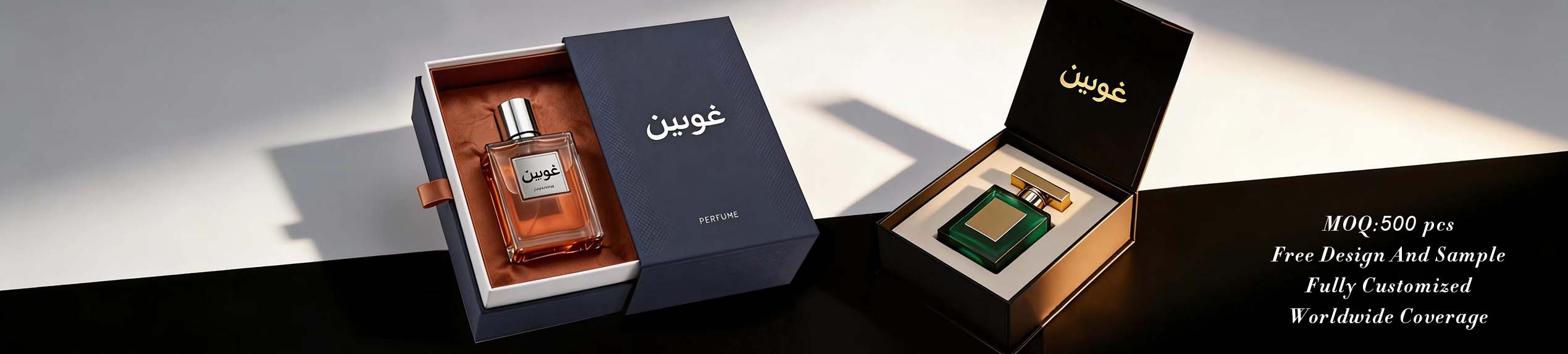
Die Wahl des geeigneten Verpackungsformats ist eine der wichtigsten Entscheidungen bei der Produktlaunchplanung und beeinflusst direkt Produktionskosten, Versandeffizienz, Regalpräsenz, Kundenwahrnehmung und Umweltbilanz während des gesamten Produktlebenszyklus. Für Marken, die Verpackungsoptionen evaluieren, steht die grundlegende Entscheidung oft im Mittelpunkt. Verpackung aus starren Kartons hergestellt aus dicken, nicht zusammenklappbaren Platten, die ihre dreidimensionale Form selbstständig beibehalten, im Gegensatz Faltschachtelverpackung Hergestellt aus dünnerem Karton, der flach versendet und erst beim Befüllen mit dem Produkt zusammengebaut wird. Jede Verpackungskategorie dient spezifischen kommerziellen Zwecken, zielt auf unterschiedliche Preissegmente ab und bietet einzigartige Kundenerlebnisse, die durch Form, Materialstärke, Montageaufwand und Öffnungsritual spezifische Markenbotschaften vermitteln. Das Verständnis der technischen Spezifikationen, Kostenstrukturen, ästhetischen Möglichkeiten und betrieblichen Auswirkungen jeder Verpackungsart ermöglicht es Markenmanagern, Produktentwicklern und Verpackungsingenieuren, fundierte Entscheidungen zu treffen und Verpackungsinvestitionen mit Produktwertversprechen, Zielgruppenerwartungen, Lieferkettenbeschränkungen und Nachhaltigkeitszielen in Einklang zu bringen. Dieser umfassende Vergleich untersucht jede Dimension von starren Kartons und Faltschachteln und bietet den notwendigen analytischen Rahmen, um die optimale Verpackungslösung für Ihre spezifische Produktkategorie, Ihr Preissegment, Ihren Vertriebskanal und Ihre Markenstrategie auszuwählen.
Vergleich von Statik und Materialspezifikationen
Die strukturelle Unterscheidung zwischen diesen beiden Verpackungskategorien ergibt sich aus grundlegenden Unterschieden in der Plattenstärke, der Konstruktionsmethodik und der Montagemechanik, die zu dramatisch unterschiedlichen Leistungseigenschaften und Kostenprofilen führen. Verpackung aus starren Kartons Für diese Konstruktionsmethode wird Karton mit einer Stärke von typischerweise 1,5 bis 3,0 Millimetern verwendet, der gemeinhin als Spanplatte oder Graupappe bekannt ist. Dieser wird mit dekorativem Papier umwickelt, das mit starken Klebstoffen verklebt wird. So entsteht ein formstabiler, dreidimensionaler Behälter, der seine Form ohne zusätzliche Stütze beibehält. Dank dieser Konstruktionsmethode zeichnen sich die Kartons durch außergewöhnliche Druckfestigkeit, Dimensionsstabilität und Stapelbarkeit aus und schützen hochwertige Produkte während Lagerung, Transport und Präsentation im Einzelhandel, ohne dass für einzelne Einheiten separate Versandkartons aus Wellpappe benötigt werden. Die stabile Kartonstruktur ermöglicht zudem anspruchsvolle Designmerkmale wie Magnetverschlüsse, Zugbänder, Schubladenauszüge, Klappdeckel und mehrteilige Montageabläufe, die ein besonderes Öffnungserlebnis bieten, das mit einfacheren Faltschachteln nicht möglich ist. Faltschachteln hingegen verwenden deutlich dünneren Karton mit einer Stärke von typischerweise 0,25 bis 0,63 Millimetern (entspricht 14 bis 27 Punkt Dicke). Dieser bietet zwar eine ausreichende Stabilität im zusammengebauten und befüllten Zustand, erfordert aber, dass das Material flach gebündelt versendet wird, um die Versandkosten zu minimieren. Diese Kartons verfügen über vorgefalzte Falzlinien und Klebelaschen, die es automatisierten Abfüllmaschinen ermöglichen, die Kartons mit Produktionsgeschwindigkeiten von mehreren Tausend Einheiten pro Stunde aufzurichten, zu befüllen und zu verschließen. Der Vorteil der flachen Verpackung beim Versand reduziert den Lagerbedarf im Vergleich zu vorgefertigten, stabilen Kartons um etwa 80 bis 90 Prozent. Dies führt zu erheblichen Einsparungen bei den Logistikkosten, insbesondere in Produktkategorien mit hohem Absatzvolumen, bei denen die Wirtschaftlichkeit pro Einheit eher von der Fertigungseffizienz und dem Vertriebsumfang als von einem hochwertigen Auspackerlebnis abhängt.
Kostenanalyse: Wirtschaftlichkeit pro Einheit und Dynamik der Mengenskalierung
Die Kostendifferenz zwischen Individuell gestaltete Verpackungskartons Die Herstellung von starren Kartons und Faltschachteln verläuft wirtschaftlich deutlich unterschiedlich, sodass sich die jeweilige Option für unterschiedliche Produktionsmengen und Preissegmente eignet. Die Herstellung starrer Kartons umfasst mehrere aufeinanderfolgende Prozesse: Zuschnitt, Dekorpapierverpackung, Klebstoffauftrag, Trocknungszeit, Montage und Qualitätskontrolle. Jeder Schritt erfordert spezielle Anlagen, Arbeitszeit und Produktionsfläche, was zu höheren Stückkosten von typischerweise 1,50 bis 8,00 US-Dollar oder mehr führt, abhängig von Größe, Komplexität und Ausführungswünschen. Die Fixkosten der starren Kartonproduktion – einschließlich Werkzeugherstellung, Papierverpackung und Klebstoffaushärtung – ermöglichen Skaleneffekte, die sich erst ab Produktionsmengen von über zehntausend Stück bemerkbar machen. Daher sind starre Kartons für Kleinserien von Spezialprodukten oder Testläufe unwirtschaftlich. Die Herstellung von Faltschachteln hingegen profitiert von deutlich niedrigeren Stückkosten von typischerweise 0,08 bis 0,75 US-Dollar, abhängig von Druckkomplexität, Kartongewicht und Ausführungswünschen. Der Hauptkostentreiber ist dabei das gewählte Druckverfahren und nicht die Montagekosten. Bogenoffsetdruck, Digitaldruck und Flexodruck arbeiten alle effizient auf Faltschachtelsubstraten, sodass Marken die kostengünstigste Drucktechnologie je nach Bestellmenge und Anforderungen an die Farbgenauigkeit auswählen können. Der Vorteil von Faltschachteln beim flachen Versand eliminiert die volumenabhängigen Lagerkosten, die die Gesamtbetriebskosten von starren Kartons für Marken mit begrenzter Lagerkapazität oder für solche, die Fulfillment-Center von Drittanbietern nutzen, die Lagergebühren pro Kubikfuß berechnen, erheblich beeinflussen. Premium-Geschenkboxen Im Luxuspreissegment, wo die Verpackungskosten nur einen geringen Anteil des Gesamtproduktwerts ausmachen, lassen sich die Aufpreise für stabile Kartons leicht verkraften und bieten einen wahrgenommenen Mehrwert, der die zusätzlichen Ausgaben durch eine verbesserte Präsenz im Regal und eine höhere Kundenzufriedenheit rechtfertigt.
Visuelle Wirkung und Druckqualität
Sowohl starre Kartons als auch Faltschachteln bieten vielfältige Gestaltungsmöglichkeiten für Dekoration und Druck. Die physikalischen Eigenschaften der jeweiligen Materialien bergen jedoch unterschiedliche Vor- und Nachteile für die visuelle Markenpräsentation. Starre Kartons bieten großflächige, ununterbrochene Druckflächen, die sich wie eine hochwertige Leinwand für randlose Fotoreproduktionen, detailreiche Grafiken und Markenstorys eignen, die sich als durchgehender visueller Fluss über die gesamte Kartonaußenseite erstrecken. Das dicke Kartonmaterial ermöglicht eine breite Palette an Veredelungstechniken, darunter großflächige Heißfolienprägung, Tiefprägung, die die dekorative Papierhülle sichtbar in den Karton einprägt, partielle UV-Lackierung mit ausgeprägtem Glanzkontrast und Soft-Touch-Laminierung, die gleichmäßig und faltenfrei auf den gewölbten Kartonoberflächen haftet. Faltschachteln zeichnen sich durch ihre vielseitigen Druckmöglichkeiten aus, da sie mit Hochgeschwindigkeits-Rotationsdruckverfahren kompatibel sind. Diese ermöglichen eine kosteneffiziente Vollfarbreproduktion in Millionenauflagen mit gleichbleibender Farbgenauigkeit und Bildschärfe. Das dünnere Kartonsubstrat erzeugt zwar weniger ausgeprägte Prägeeffekte, kompensiert dies aber durch eine höhere Falzgenauigkeit, die für scharfe, saubere Kanten sorgt und die geometrische Klarheit der Druckdesigns verbessert. Beide Verpackungsformate unterstützen das gesamte Spektrum an Drucktechnologien, darunter Offsetdruck, Digitaldruck und Flexodruck. Starre Kartons werden typischerweise im Bogenoffsetverfahren hergestellt, während Faltschachteln sowohl im Bogen- als auch im Rollenoffsetverfahren bedruckt werden können, wodurch deutlich höhere Produktionsgeschwindigkeiten erreicht werden. Bei der Wahl des Formats sollte berücksichtigt werden, wie das jeweilige Substrat mit Ihren spezifischen Designanforderungen interagiert. Starre Kartons eignen sich besonders für Marken, die Wert auf haptische Luxuserlebnisse legen, während Faltschachteln die bessere Wahl für Marken sind, die brillante, hochvolumige Drucke mit hoher Farbkonsistenz über Millionen von Einheiten benötigen.
Strategie zur Ausrichtung der Produktkategorien und zur Marktpositionierung
Die Wahl zwischen starren Kartons und Faltschachteln erfordert eine sorgfältige Abstimmung auf die Normen Ihrer Produktkategorie, Ihre Wettbewerbspositionierung und die Erwartungen Ihrer Zielkunden, die sich in verschiedenen Marktsegmenten und geografischen Regionen erheblich unterscheiden. Individuell gestaltete Verpackungskartons In Premium-Produktkategorien wie Luxuskosmetik, hochwertiger Elektronik, Designerschmuck, Sondereditionen und exklusiven Geschenksets dominieren stabile Kartonverpackungen. Hier trägt die Verpackung selbst zum Wertversprechen des Produkts bei und vermittelt Kunden Authentizität und Qualität. Konsumenten, die bereit sind, für diese Produkte Premiumpreise zu zahlen, erwarten Verpackungen, die Luxus durch ein gewisses Gewicht, Stabilität und ein feierliches Öffnen vermitteln – etwas, das Faltschachteln nicht bieten können. Faltschachteln sind die Standardverpackung für Massenmarkt-Konsumgüter wie rezeptfreie Arzneimittel, Lebensmittel, Zubehör für Unterhaltungselektronik und Kosmetikprodukte im mittleren Preissegment. Hier spielen Kosteneffizienz und optimale Regalplatzierung eine größere Rolle als die Vorteile einer stabilen Verpackung. Bei der Wahl der Verpackungsform spielen auch die jeweiligen regulatorischen Anforderungen eine Rolle. So sind beispielsweise für Arzneimittel- und Lebensmittelverpackungen häufig kindersichere Verschlüsse und Originalitätsverschlüsse vorgeschrieben, die sich leichter in Faltschachteln als in stabilen Kartons integrieren lassen. Verpackungslösungen für den Einzelhandel Zusätzlich müssen Anforderungen an die Regalpräsentation berücksichtigt werden, darunter die Kompatibilität mit Hakenleisten, die Stapelbarkeit bei Werbeaktionen und die Integration von POS-Materialien. Hierbei kann die flache Geometrie von Faltschachteln gegenüber der dreidimensionalen Wirkung von stabilen Kartons vorteilhaft sein. Marken, die neue Produkte in unbekannten Kategorien einführen, sollten Verbraucherstudien durchführen und Verpackungsprototypen in beiden Formaten testen, um herauszufinden, welche Präsentationsform bei ihrer Zielgruppe einen stärkeren wahrgenommenen Wert, eine höhere Kaufabsicht und eine stärkere Qualitätsassoziation hervorruft, bevor sie in die Serienproduktion von Verpackungen investieren.
Bei EcoInkHub bieten wir fachkundige Beratung und Komplettfertigung für beides an. Premium-Geschenkboxen Wir bieten Lösungen für Faltschachtelverpackungen und unterstützen Marken bei der komplexen Entscheidung zwischen starren und faltbaren Verpackungsformaten. So finden wir die optimale Lösung, die Produktschutz, Markenpositionierung, Kosteneffizienz und Nachhaltigkeitsziele in Einklang bringt. Unser erfahrenes Verpackungstechnik-Team analysiert Ihre Produktabmessungen, Gewichtseigenschaften, Vertriebskanäle, Anforderungen des Einzelhandelsumfelds und Ihre Markenstrategie, um Ihnen das Verpackungsformat zu empfehlen, das innerhalb Ihres Budgets maximale Wirkung erzielt. Wir betreuen Projekte aller Größenordnungen – von der Kleinserienfertigung starrer Kartons für limitierte Luxuseditionen bis hin zur Massenproduktion von Faltschachteln für Konsumgüter des Massenmarktes. Unsere integrierten Leistungen in den Bereichen Design, Prototyping, Produktion und Qualitätssicherung optimieren den gesamten Verpackungsentwicklungsprozess. Kontaktieren Sie uns noch heute, um Ihre Verpackungsanforderungen zu besprechen und zu erfahren, wie wir Sie unterstützen können. Individuell gestaltete Verpackungskartons Lösungen können Ihre Produktpräsentation verbessern und gleichzeitig Ihre gesamte Verpackungskostenstruktur optimieren, um eine maximale Kapitalrendite zu erzielen.


Blog Sitemap Xml Datenschutzrichtlinie
Copyright
© 2026 GuangZhou GooinPack Packaging Co., Ltd. Alle Rechte vorbehalten
.  NETZWERK UNTERSTÜTZT
Freundliche Links : Blogger
Eine Nachricht hinterlassen
Scannen zu WhatsApp :